Hongi
Where: Hongi, Maps
Getting there
This public sculpture stands in Papatoetoe, a well-established suburb in South Auckland reachable by train on the Southern line, frequent buses, or a short drive from the Southern Motorway. It sits in open public space, so no tickets, bookings or formalities are needed — passers-by can stop at any hour.
Things to do nearby
Papatoetoe's shops and eateries are close at hand, and the wider South Auckland area around Manukau offers markets and food well worth a half-day detour, making the sculpture an easy stop on a walking or driving circuit of the south.
Highlights
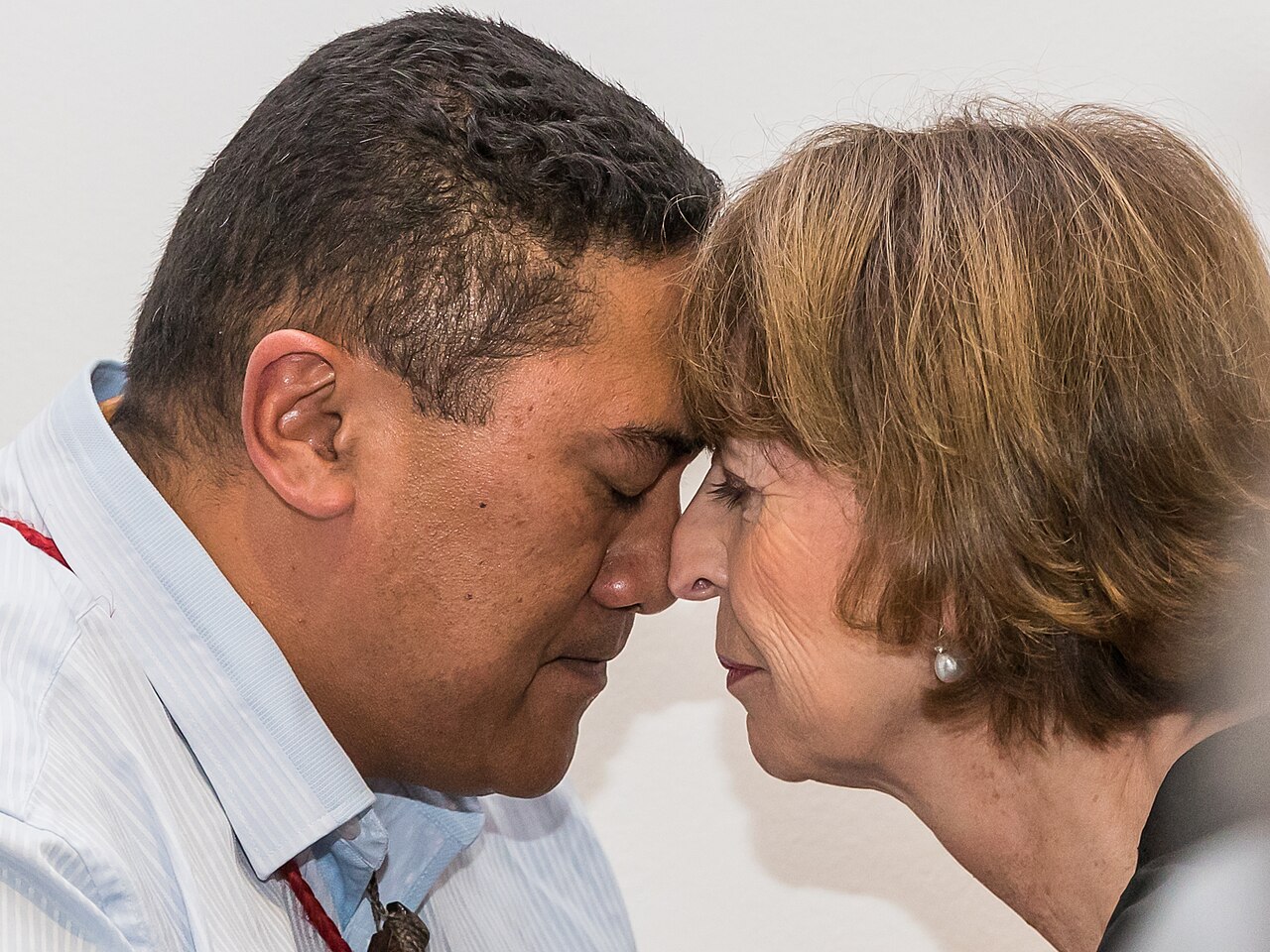
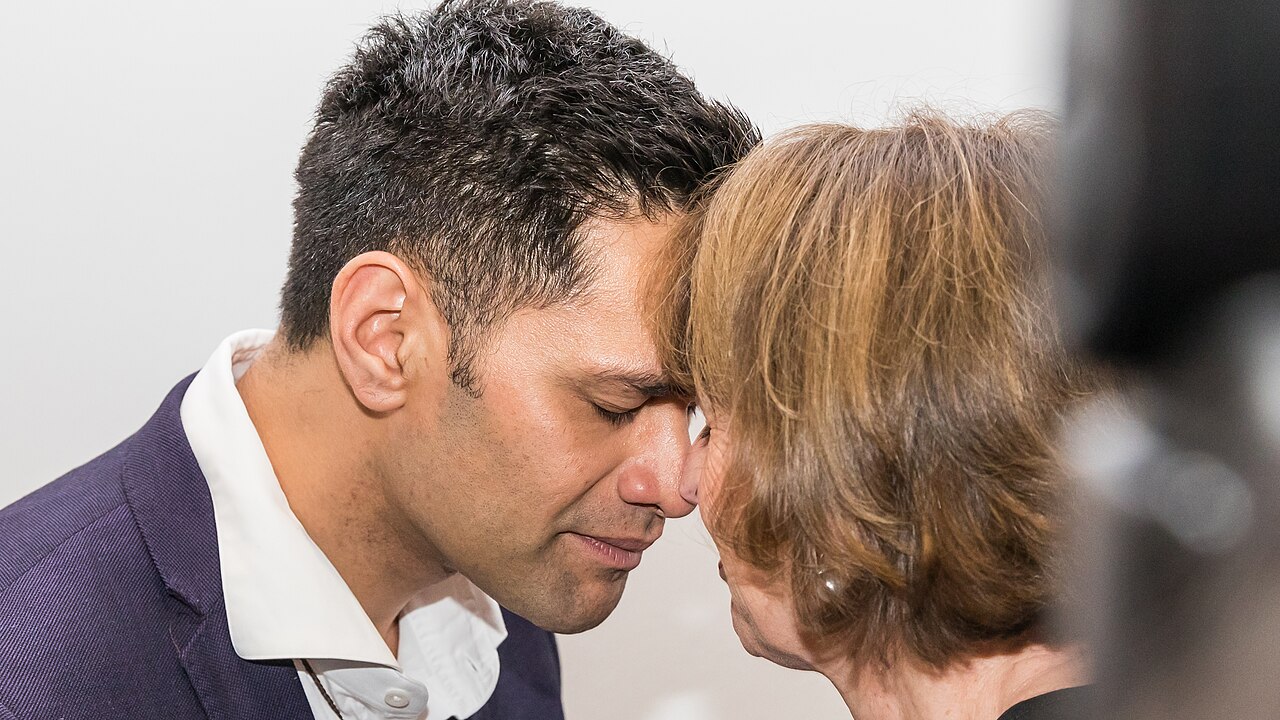
The work is named after the hongi, the Māori greeting in which two people press noses and share breath, symbolising welcome and connection. Its bold scale and symbolic form draw the eye and converse quietly with the surrounding streets. Auckland's mild light changes its character through the day: crisp shapes under summer skies, a soft glow on its surfaces when the low winter sun strikes, and clear detail for photographers in early morning and late afternoon.
History & culture
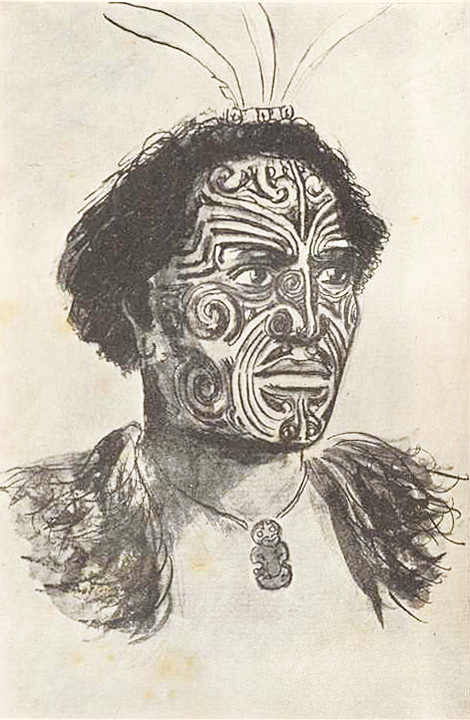
The hongi is one of the most representative Māori rituals: during a traditional powhiri welcome, guests greet their hosts nose to nose, marking the shift from strangers to people who share the same breath. Naming a major public artwork after it resonates with South Auckland's identity as a meeting place of Māori, Samoan, Tongan and European communities.
Booking & rules
No fee, hours or booking apply — a visit of ten to fifteen minutes is enough to take it in. Please do not climb or touch the sculpture unless clearly permitted, and keep paths clear when photographing. It suits anyone interested in public art, Māori culture and city walks.
Source: https://www.openstreetmap.org/node/11310677818