Harakeke Collection
Where: Harakeke Collection, Maps
Getting there
Set among the open green spaces of Auckland's south, this garden sits well away from the city centre, ringed by parks and quiet surroundings rather than busy streets. Visitors coming from central Auckland should plan for a drive or a longer trip across the southern suburbs, and can easily pair a visit with other southern parks for a half-day outing.
Things to do nearby
The surrounding district offers a chain of connected parks and open reserves, so the collection works well as one stop on a wider southern-Auckland itinerary. The site itself provides level, easy walking paths among the flax beds, making it a natural fit for school groups, weavers, gardeners and families looking for a short, calm dose of nature rather than a full-day excursion.
Highlights
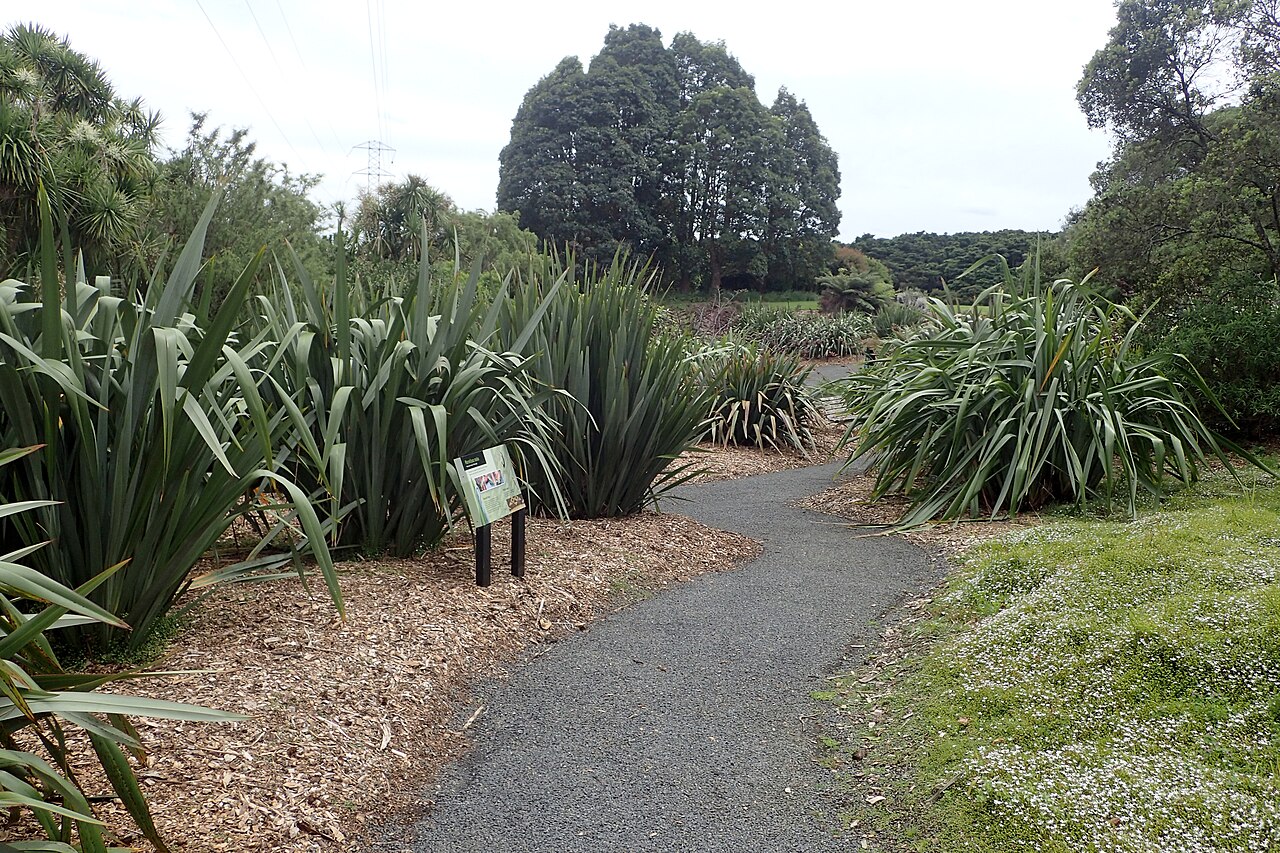
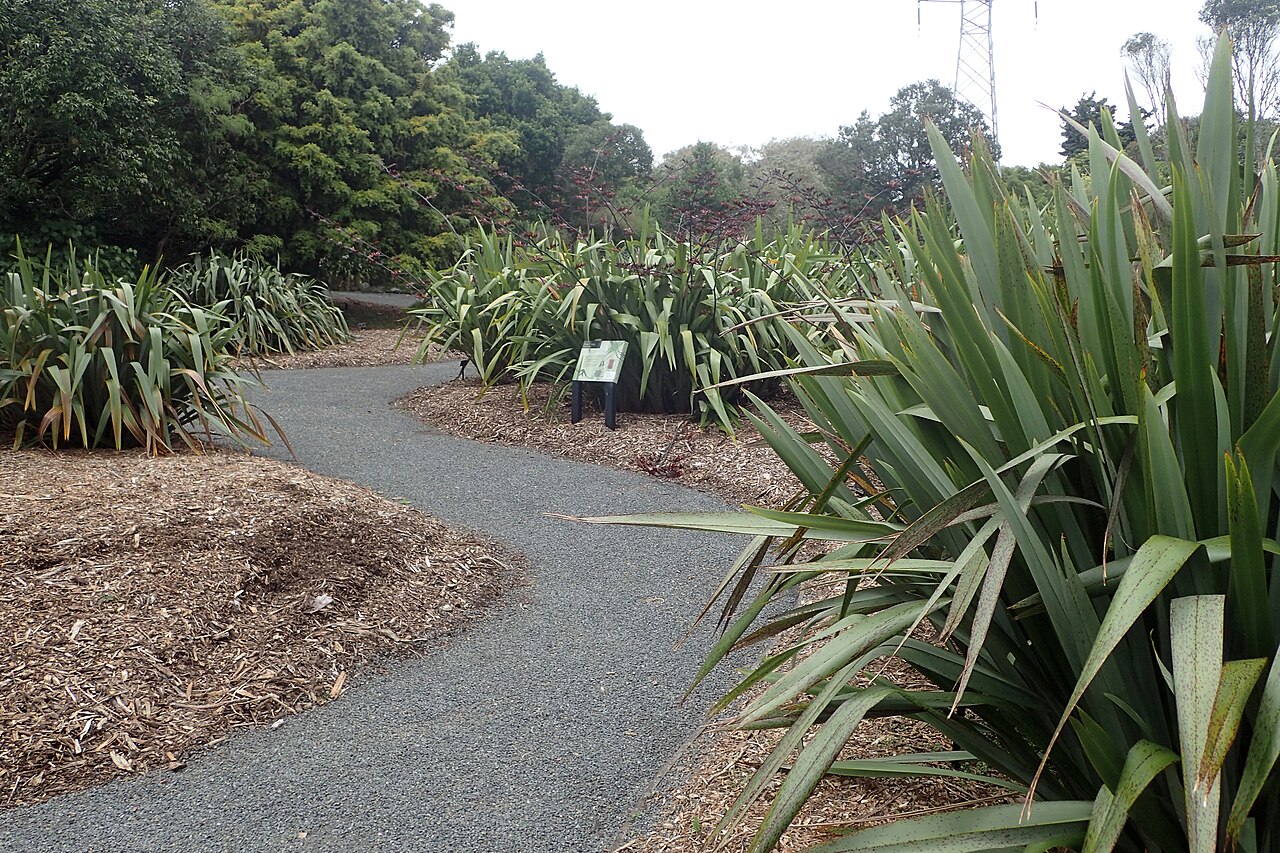
This is a dedicated living collection devoted to harakeke (New Zealand flax, Phormium tenax), systematically gathering the diversity within a single species — from tall coastal forms to sturdy inland cultivars, each differing in leaf colour, size and habit. The long upright blades sway in Auckland's sea breezes, and in late spring and summer tall flower stalks rise from the clumps, their nectar-rich blooms drawing tui, bellbirds and insects. In autumn and winter the foliage stays full-toned, with deep green, bronze and purple-red leaves especially vivid after rain. It suits anyone with an interest in native plants, weaving or a quiet walk.
History & culture
Harakeke is one of New Zealand's most culturally significant native plants. In Māori tradition its leaf fibre was used to weave baskets, mats, ropes, fishing nets and clothing — nearly every item of daily life — making it both a practical resource and a symbol of identity and craft. Many traditional cultivars carry Māori names and were grown for specific weaving uses. The collection is therefore not just an ornamental garden but a living cultural and botanical conservation project, supporting teaching, weaving craft transmission and research on native plants.
Booking & rules
Entry is free, and the flat paths make for easy strolling in any season. Soft morning or evening light is best for appreciating leaf colours and watching the nectar-feeding birds, and it is cooler then too. Ground can be slippery after rain, so wear shoes with good grip.
Source: https://www.openstreetmap.org/node/7870835872